
Whispers at the Edge of Attention
Guiding Principles for Calm, Legible Cues
Light That Speaks Without Shouting
Soundscapes for the Periphery
Haptics, Motion, and Airflow
Context, Sensing, and Timing

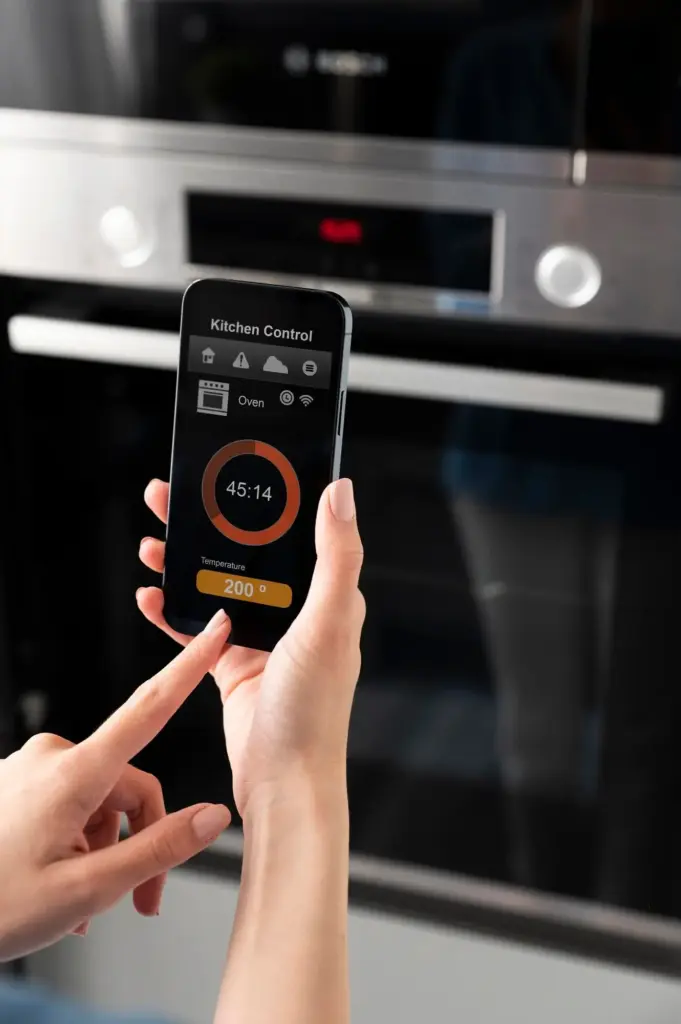
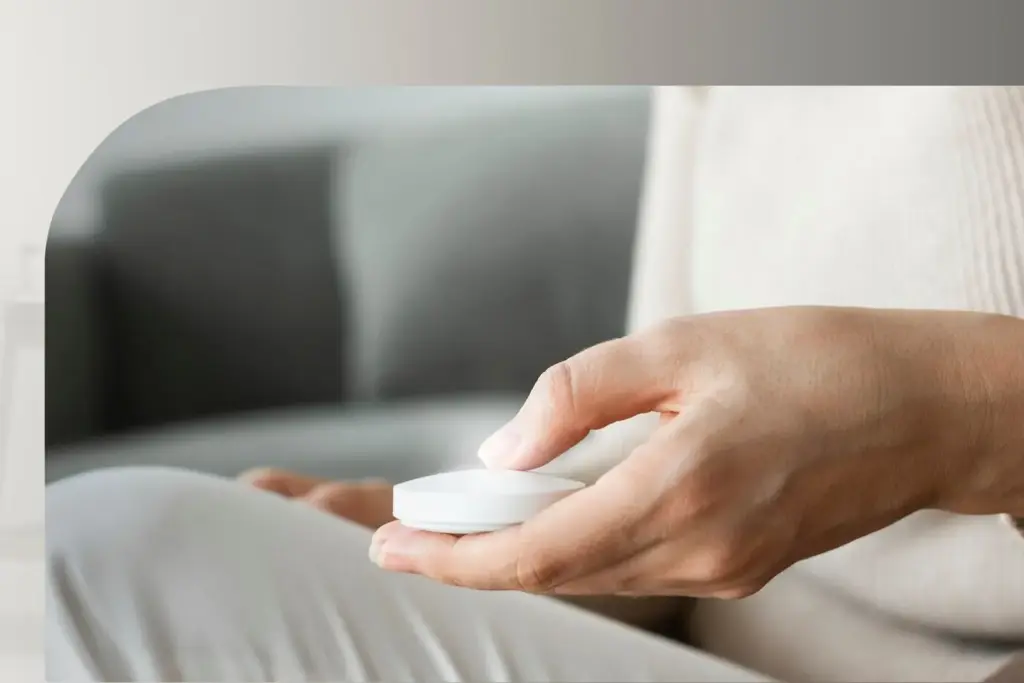

Prototyping the Invisible
Accessibility, Inclusion, and Cultural Nuance

Trust, Privacy, and Ethical Guardrails
Consent and Transparency by Design
Offer onboarding that demonstrates each cue, its trigger, and how to disable it. Provide clear labels on sensors and a live privacy dashboard indicating what is processed locally versus in the cloud. Time-limited trials should require renewed consent. Store logs securely with user access. Celebrate quiet by default—no hidden recordings, no inference of sensitive traits. When designs evolve, announce changes and invite feedback. Consent is not a checkbox; it is an ongoing conversation grounded in respect, clarity, and easily reversible choices.
Fail-Safe Behaviors and Escalation Paths
Assume power loss, network drops, and sensor drift. Degrade to safe defaults, like turning off automations that might misfire. For critical events—fire, water leaks, security—escalate from ambient hints to explicit alerts, then to external contacts if configured. Avoid repeated triggers that produce cue storms. Keep local fallbacks when cloud services stall. Publish a simple playbook residents can understand during stress. Design drills into onboarding, so rehearsed responses feel natural, and subtle cues retain credibility when they inevitably must speak more loudly.
Avoiding Dark Nudges and Manipulation
Energy savings, subscriptions, and brand loyalty can tempt designs into coercion. Draw a bright line: communicate opportunity, not pressure. Separate comfort suggestions from commercial nudges. Provide opt-outs for behavioral prompts and disclose optimization goals. Invite third-party audits and publish fairness tests. Offer comparisons that are contextual, not competitive. Encourage readers to share cases where a cue felt pushy; those stories help refine guidance. Influence should serve the resident’s declared priorities, never the system’s engagement metrics or a vendor’s quarterly target.
Patterns and Micro-Stories from Real Homes
Laundry Complete Without a Beep
Air Quality Rising, Calmly Resolved
Water Leak Caught Early

Architecture and Reliability Behind the Scenes
All Rights Reserved.